


This cottage cheese fudge is rich, chocolatey, and made with just 4 ingredients, no baking required! It’s an easy way to satisfy a chocolate craving with a simple homemade treat that contains a little protein from the cottage cheese.

The secret to getting the texture right is blending the cottage cheese until completely smooth before combining it with melted dark chocolate, cocoa powder, and liquid sweetener. Once chilled, the mixture firms up into creamy, bite-sized pieces with a delicious chocolate flavor.
I love how simple this recipe is, with no protein powder or complicated ingredients. However, the consistency of your cottage cheese can affect the final result, so it’s worth following the tips below to get the best texture.
Why You’ll Love This Cottage Cheese Fudge
- Only 4 ingredients: You only need cottage cheese, dark chocolate, cocoa powder, and liquid sweetener to make this easy chocolate fudge.
- No baking required: Simply blend the ingredients, transfer the mixture to a dish, and chill until firm. No oven or complicated steps needed!
- Rich chocolate flavor: The combination of dark chocolate and cocoa powder gives the fudge a deep, chocolatey taste.
- A little extra protein: Cottage cheese adds protein to each piece, making this a fun alternative to traditional fudge when you’re craving something sweet.
Ingredients Needed:
You only need four ingredients to make this cottage cheese fudge, and each one contributes to its flavor and texture. You can find the exact measurements in the recipe card at the bottom of this page.

- Cottage cheese: This is the base of the recipe, adding creaminess and a little protein. Blend it until completely smooth to avoid lumps in the finished fudge. Cottage cheese varies in moisture content and consistency between brands, which can affect the final texture. Use fresh cottage cheese that has been stored correctly, and avoid using any that has excess liquid sitting in the container. Follow the storage and use-by instructions on the packaging, particularly once opened.
- Dark chocolate: Dark chocolate provides the main chocolate flavor and helps the fudge firm up as it cools. Use the full amount specified in the recipe, as reducing it may leave you with a softer mixture. The cocoa percentage also affects the intensity of the chocolate flavor and the overall sweetness.
- Cocoa powder: Unsweetened cocoa powder adds a deeper, richer chocolate flavor and helps absorb some of the moisture in the mixture.
- Liquid sweetener: A little liquid sweetener balances the bitterness of the dark chocolate and cocoa powder. Stick to the specified amount, as adding too much extra liquid can affect the consistency.

Dietary Adjustments
Dairy-free or vegan: This recipe contains cottage cheese and chocolate, so it isn’t dairy-free or vegan as written. You would need to use a suitable dairy-free alternative for both ingredients. However, I haven’t tested these substitutions, and the texture may differ considerably from the original recipe.
Gluten-free: This fudge can be gluten-free, provided you use gluten-free chocolate and check the labels of your other ingredients for any gluten-containing additives.
Refined-sugar-free: The suitability of this recipe depends on the chocolate and liquid sweetener you use. Dark chocolate can contain added sugar, so check the ingredient labels if you’re avoiding refined sugar. You may need to adjust the ingredients, which could affect the final texture.
For the most reliable results, I recommend following the original recipe as written. Any substantial ingredient substitutions may affect how smoothly the mixture blends and how firmly the fudge sets.
Equipment Needed
You don’t need any special equipment to make cottage cheese fudge, just a few basic kitchen tools.
- Blender or food processor: For blending the cottage cheese until completely smooth.
- Digital Food Scale: For accurately measuring the ingredients, especially the chocolate and cocoa powder.
- Microwave-safe bowl: For melting the chocolate.
- Small dish or loaf pan: For shaping the fudge into an even layer.
- Parchment paper: Makes it easier to lift the chilled fudge out of the dish and slice it neatly.

How to Make Cottage Cheese Fudge
Step One: Melt the chocolate
Break the dark chocolate into small pieces and place it in a microwave-safe bowl. Microwave in 20 to 30-second intervals, stirring between each one, until completely melted and smooth. Avoid overheating the chocolate, as this can cause it to become thick or grainy.
Set it aside to cool slightly while you prepare the cottage cheese.

Step Two: Blend the ingredients until smooth
Add the cottage cheese to a blender or food processor and blend until completely smooth, scraping down the sides as needed. Add the cocoa powder and liquid sweetener, then blend again until combined.
Add the melted chocolate and blend until you have a smooth, evenly mixed chocolate mixture. If the mixture is thick, stop and scrape down the sides before considering whether any additional liquid is necessary.
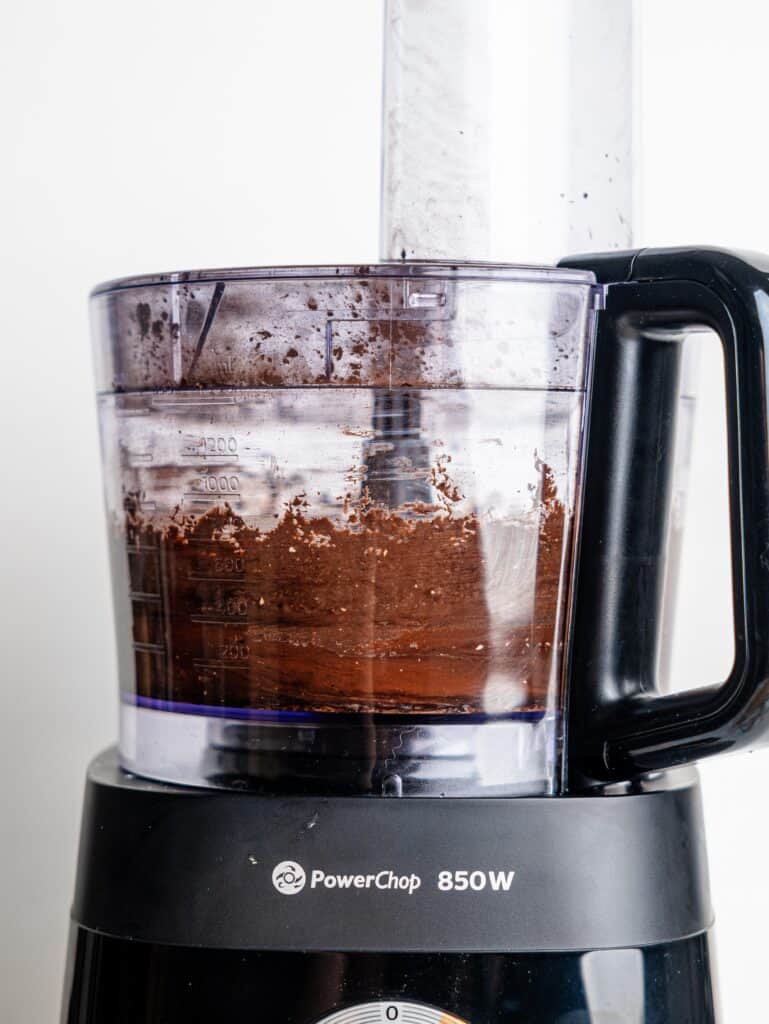
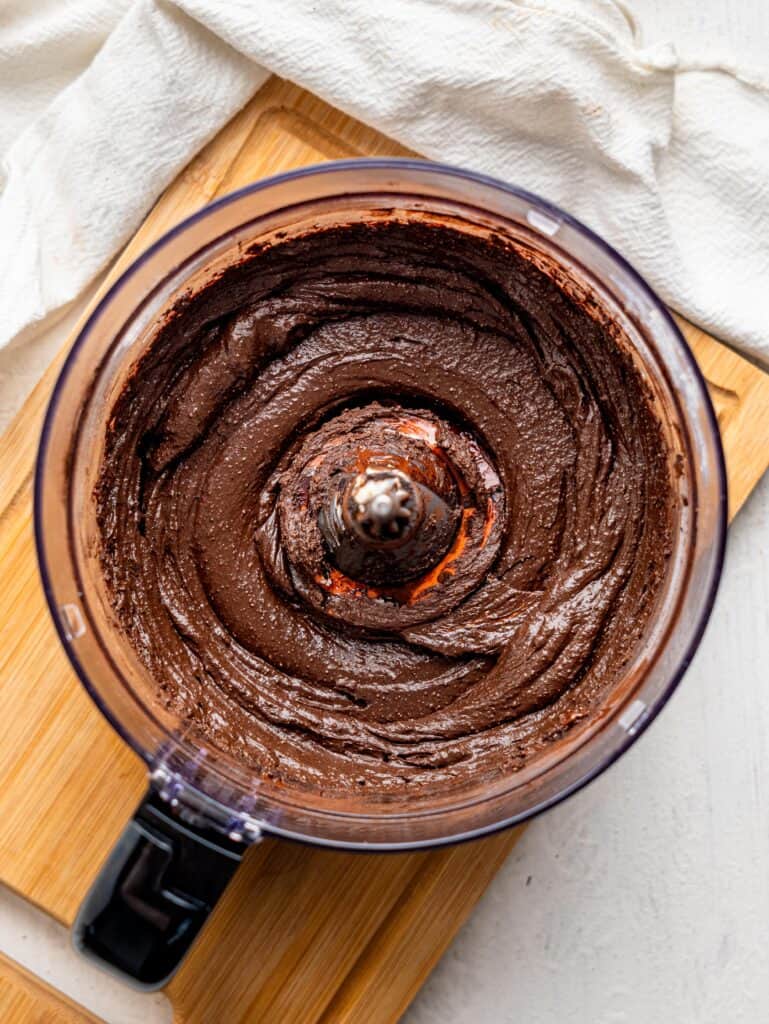
Step Three: Transfer to a lined dish
Transfer the fudge to the freezer and chill until firm enough to slice. Once set, lift it out of the dish using the parchment paper and cut it into 12 pieces with a sharp knife.
For the best texture, store the pieces in an airtight container in the freezer. Let the fudge sit at room temperature for a few minutes before eating so it softens slightly.

Step Four: Chill until firm, then slice
Place the dish in the fridge or freezer according to the chilling instructions in the recipe card. Allow the fudge to firm up sufficiently before slicing.
Once firm, lift it out using the parchment paper and cut it into 12 pieces with a sharp knife. If the fudge is still too soft to slice neatly, return it to the fridge or freezer for longer.
Tips for the Best Cottage Cheese Fudge
- Store it in the freezer for the best texture. I’ve found that this fudge holds its shape better in the freezer and has a firmer, more fudge-like consistency. Let it sit at room temperature for a few minutes before eating so it softens slightly while staying nice and solid.
- Blend the cottage cheese thoroughly. This is one of the most important steps for achieving a smooth texture. Blend until no visible curds remain before adding the other ingredients.
- Pay attention to your cottage cheese. Different brands vary in consistency and moisture content. Avoid using cottage cheese with excess liquid, as this can affect how firmly the fudge sets.
- Measure the chocolate accurately. The chocolate helps the fudge firm up as it cools, so use the full amount specified in the recipe.
- Avoid adding too much liquid. If your blender struggles, scrape down the sides and blend again before adding milk or yogurt. Extra liquid can make the fudge too soft.
- Allow enough time to chill. The fudge needs to become thoroughly firm before slicing. If it’s too soft, give it more time rather than trying to cut it immediately.
Cottage Cheese Fudge Variations
Once you’ve tried the original chocolate version, you can experiment with different flavors. These variations are suggestions rather than tested alternatives, so keep in mind that additional ingredients may change the texture.
Peanut Butter Fudge
Blend 1 tablespoon of smooth peanut butter into the mixture for a chocolate peanut butter version. It adds a nutty flavor and makes the fudge richer. Start with a small amount, as adding too much may affect the final consistency.
Mint Chocolate Fudge
For a refreshing mint chocolate flavor, add 1/8 teaspoon of peppermint extract to the mixture before chilling. Peppermint extract is concentrated, so start with a small amount and adjust to taste.
Salted Caramel Fudge
Swirl a small amount of thick caramel sauce through the mixture before chilling, then finish with a pinch of flaky sea salt. Keep the caramel amount modest, as the extra moisture may make the fudge softer.
White Chocolate Fudge
For a sweeter alternative, experiment with replacing the dark chocolate with white chocolate. However, white chocolate has a different composition and sweetness level, so the original quantities may not produce the same texture. This variation would need testing before I could recommend exact measurements.

Frequently Asked Questions
Can You Make This With Ricotta or Greek Yogurt?
You can experiment with ricotta, Greek yogurt, or skyr, but I recommend sticking with cottage cheese for the most reliable results.
- Ricotta: Ricotta has a similar soft consistency, although it can be grainier and its moisture content varies between brands. Blending it thoroughly may help create a smoother mixture, but I haven’t tested this substitution.
- Greek yogurt: Greek yogurt is generally softer and contains more moisture than some cottage cheese varieties. Replacing all the cottage cheese with yogurt could result in a softer mixture that doesn’t firm up as well.
- Skyr: Skyr is thick and creamy, making it another option to experiment with. However, its consistency and moisture content differ from cottage cheese, so the final texture may change.
Because the chocolate helps this fudge set, replacing the cottage cheese may affect the consistency. These substitutions haven’t been tested with this recipe, so I can’t guarantee the same results.
Why Is My Cottage Cheese Fudge Not Setting?
If your cottage cheese fudge is too soft to slice, there are a few possible reasons.
- Not enough chocolate: Chocolate helps the mixture firm up as it cools. Make sure you use the full amount specified in the recipe.
- Too much added liquid: Adding extra milk, yogurt, or other liquids can make the mixture too soft. If your blender struggles, scrape down the sides before adding anything else.
- Low-fat or fat-free cottage cheese: The fat content can affect the richness and texture, while the moisture content also plays an important role. Some low-fat or fat-free varieties may produce softer or less creamy fudge, depending on the brand.
- Not enough chilling time: The chocolate needs time to firm up. If the fudge is still too soft to slice, return it to the fridge or freezer until it reaches the consistency you want.
For the best chance of success, blend the cottage cheese until smooth, measure the chocolate accurately, avoid unnecessary extra liquid, and allow enough time for the fudge to chill thoroughly.
NOTE: If your fudge sets properly but becomes gummy after a day or two in the fridge, the change may be related to moisture or differences in the cottage cheese used. I haven’t experienced this myself, so I can’t say exactly what causes it. However, I’ve found that storing the fudge in the freezer gives it a firmer consistency. I recommend letting it sit at room temperature for a few minutes before eating for the best texture.

How Much Protein Is in Cottage Cheese Fudge?
Each piece contains approximately 3.5 g of protein when the recipe is divided into 12 servings, based on the nutrition information for this recipe.
The cottage cheese contributes protein, but the chocolate and cocoa powder also make up a significant part of the mixture. While this fudge contains some protein, 3.5 g per piece is a modest amount for a dessert marketed as high-protein.
Traditional fudge recipes vary considerably in their ingredients and serving sizes, so a direct comparison depends on the recipe. I’d describe this as an easy chocolate treat that contains some protein from cottage cheese rather than a particularly high-protein snack.
Can You Use Fat-Free Cottage Cheese?
Fat-free cottage cheese may work, but the result can vary depending on the brand and its moisture content. Compared with full-fat cottage cheese, fat-free varieties generally produce a less rich result, and some may leave you with a softer texture.
For the best results, use cottage cheese with minimal excess liquid and blend it until completely smooth. If you want to replicate the original recipe as closely as possible, use the same type of cottage cheese specified in the ingredient notes.

How to Store Cottage Cheese Fudge
I recommend storing this cottage cheese fudge in the freezer for the best texture. I’ve found that it stays firmer this way, making it easy to grab a piece whenever you’re craving something chocolatey.
Store the fudge in an airtight, freezer-safe container. When you’re ready to eat it, let a piece sit at room temperature for a few minutes to soften slightly before enjoying it. I prefer it this way because it stays nice and solid while still having a creamy texture.
You can store the fudge in the refrigerator, but the consistency may change over time. One reader found that their fudge became gummy after a day or two in the fridge, although I haven’t experienced this myself. The reason isn’t clear, but differences in cottage cheese moisture content or how long the cottage cheese had been open could be contributing factors.
For the freshest-tasting fudge and the firmest consistency, I’d stick with the freezer method.
More Easy and Healthy No-Bake Recipes
- No-Bake Chocolate Peanut Butter Cookies
- Healthy No-bake Snickers Brownie Cups
- Chocolate Peanut Butter Rice Krispie Treats (Only 4 Ingredients!)
- No-Bake Peanut Butter Fudge (made with just 4 ingredients!)
Hey! If you make this recipe, I would love it if you could leave me some feedback and a rating ⭐⭐⭐⭐⭐ in the comment section at the bottom of the page! Also let me know on Facebook, Instagram or Pinterest! I can’t wait to hear your thoughts and see your photos!

Cottage Cheese Fudge
Equipment
- Small Dish or Loaf Pan
Ingredients
- 250 g Cottage Cheese (1 cup)
- 100 g Dark Chocolate (½ cup / 3.5oz)
- 30 g Cocoa Powder (¼ cup)
- 40 g Liquid Sweetener (2 tbsp)
Instructions
- Melt dark chocolate in the microwave or using a double boiler.
- Add cottage cheese, melted chocolate, cocoa powder and liquid sweetener to a blender or food processor.
- Blend until smooth, adding a splash of milk or yogurt if needed.
- Line a small dish with parchment paper and transfer the mixture into it, pressing it down evenly.
- Refrigerate or freeze until set, then cut into desired pieces.
Video
Notes
- Consistency: Blend the cottage cheese until completely smooth. If the mixture is too thick to blend, scrape down the sides and blend again before adding any liquid, as too much moisture can affect how well the fudge sets.
- Sweetness: The sweetness will depend on your chocolate and liquid sweetener. I’d recommend following the recipe quantities for the best balance of flavor and texture.
- Chocolate Choice: Dark chocolate gives the fudge a rich chocolate flavor and helps it firm up when chilled. Milk chocolate can be used for a sweeter result, but the final texture may differ.
- Add-Ins: Try adding a little smooth peanut butter, peppermint extract, or a pinch of flaky sea salt for a different flavor. Keep in mind that additional ingredients may affect the texture.
- Storage: For the firmest consistency, store the fudge in an airtight, freezer-safe container in the freezer. Let it sit at room temperature for a few minutes before eating so it softens slightly.
Nutrition
Let me know in the comments below if you make this Cottage Cheese Fudge!





Can you make it with ricotta cheese
Hey Myrna, I’ve not tested this recipe with ricotta, but you could try and let me know how it turns out!
yummm!!!
I’m so so glad you enjoyed the fudge! Thank you!
I made it. It was best fresh from the freezer. After I let it sit in the fridge for a day or two, the consistency became gummy and it was not as tasty as I originally thought.
Thanks so much for trying the recipe and sharing your feedback! ❤️ I’m glad you enjoyed it straight from the freezer. I’ve actually found that the fudge holds its consistency much better in the freezer too, so I recommend storing it there and letting it sit at room temperature for a few minutes before eating. I’m not sure what caused the gummy texture in the fridge, but I really appreciate you letting me know! 😊
I made this recipe a few weeks ago and it is so tasty. Love the texture and love that i now have another use for cottage cheese. Love your recipes thank you.